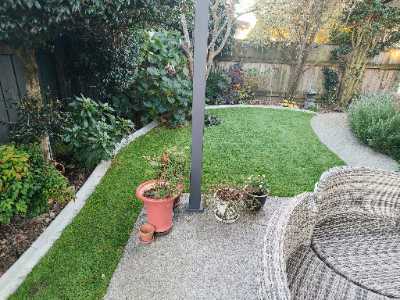
Why won’t this section of my newly established lawn recover?
I’ve had some ongoing problems with my newly established instant lawn (Dec. 25) Two areas. Area two took off and I was very pleased at the result. Then a grass grub attack discovered after a short mowing. I addressed the problem and area one recovered fully. Area two has progressively gotten worse despite re seeding, additional treatment for grass grub. This area is not as well drained as area one. It is also more shaded. In addition to this there are various trees and shrubs over area two which are now creating a worse problem with leaf shedding settling in the now sparse lawn. The final straw was the addition of a bird seed feeder that was very successful in attracting birds but at the same time seeded a fair size area with a clover type plant that had to be treated and caused further damage to the lawn. This is my very first attempt at establishing a new lawn that would hopefully become near professional. Area one has possible signs of rust but I’m not concerned ATM. Overall it looks good. Any advice would be appreciated.
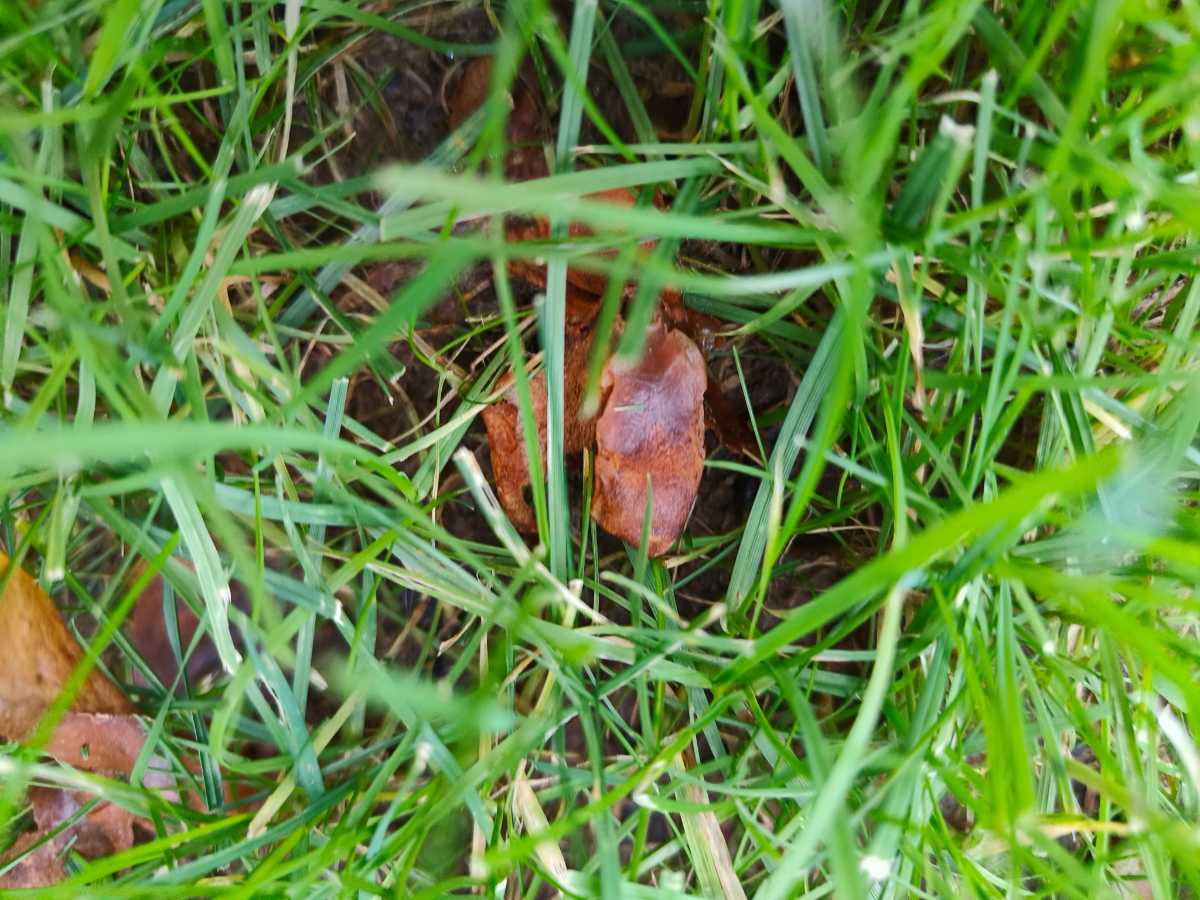
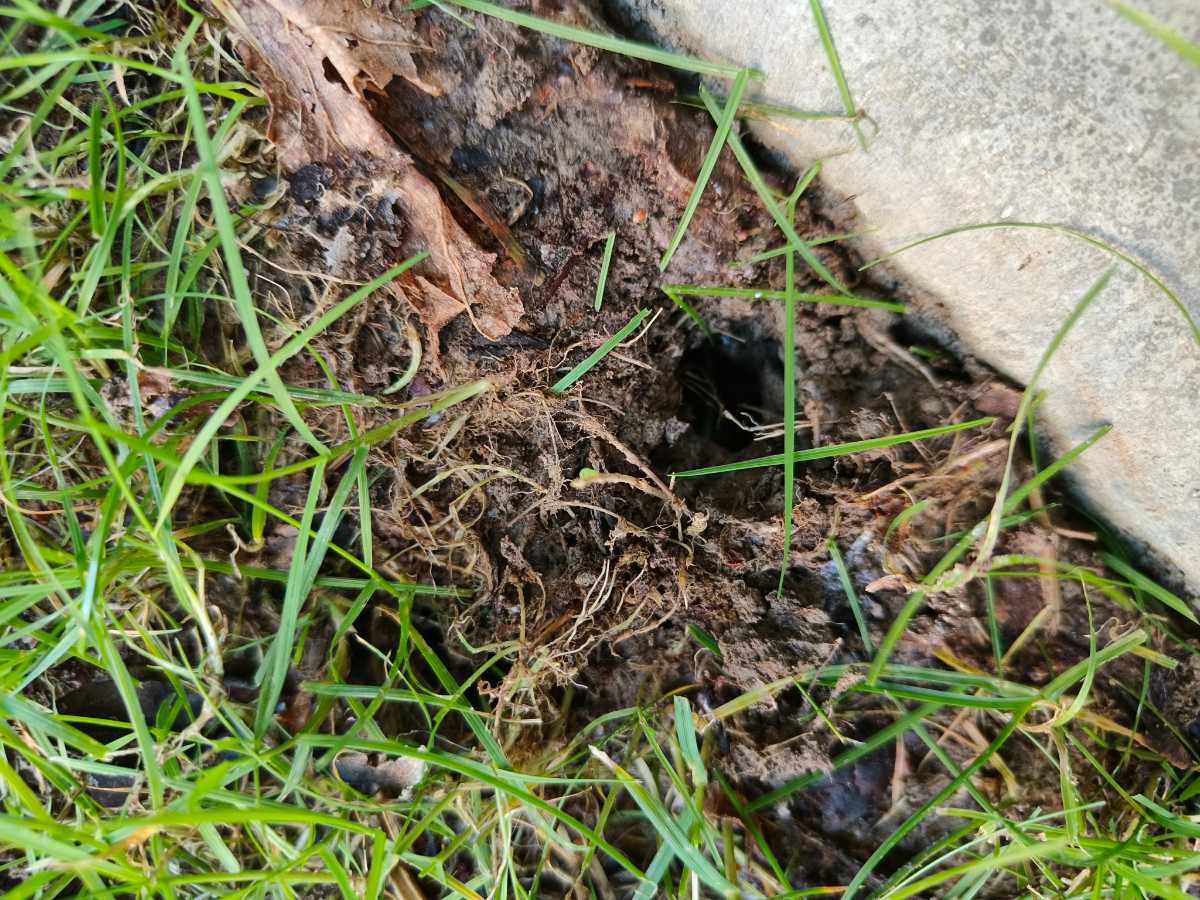
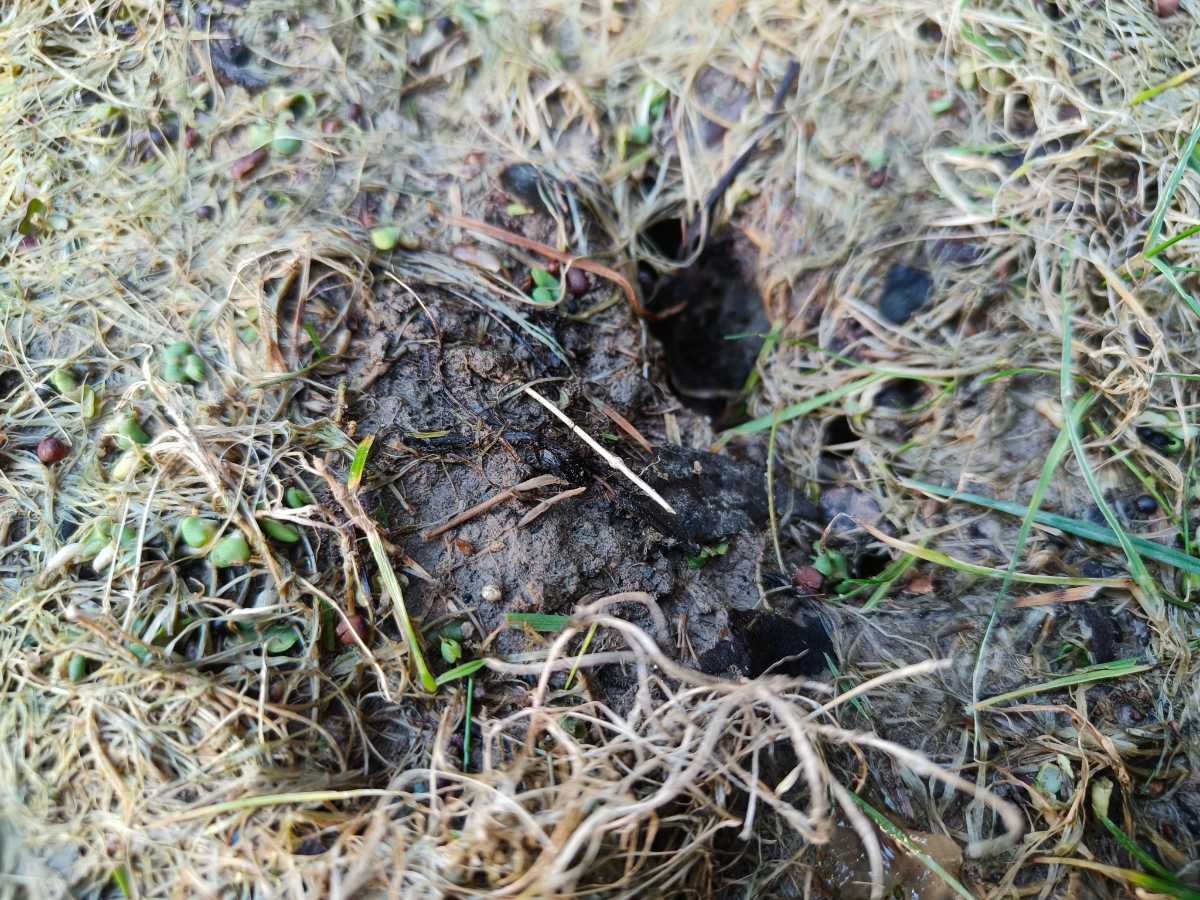
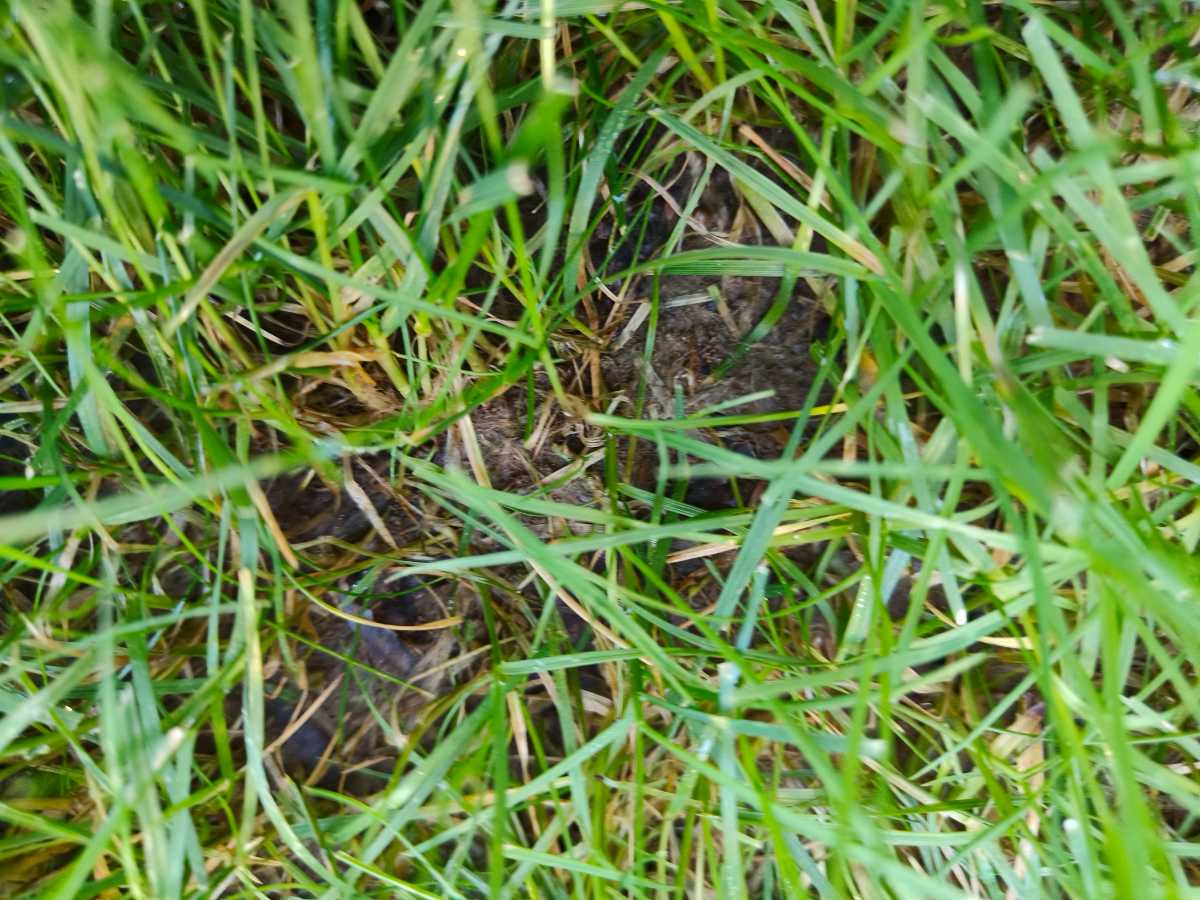
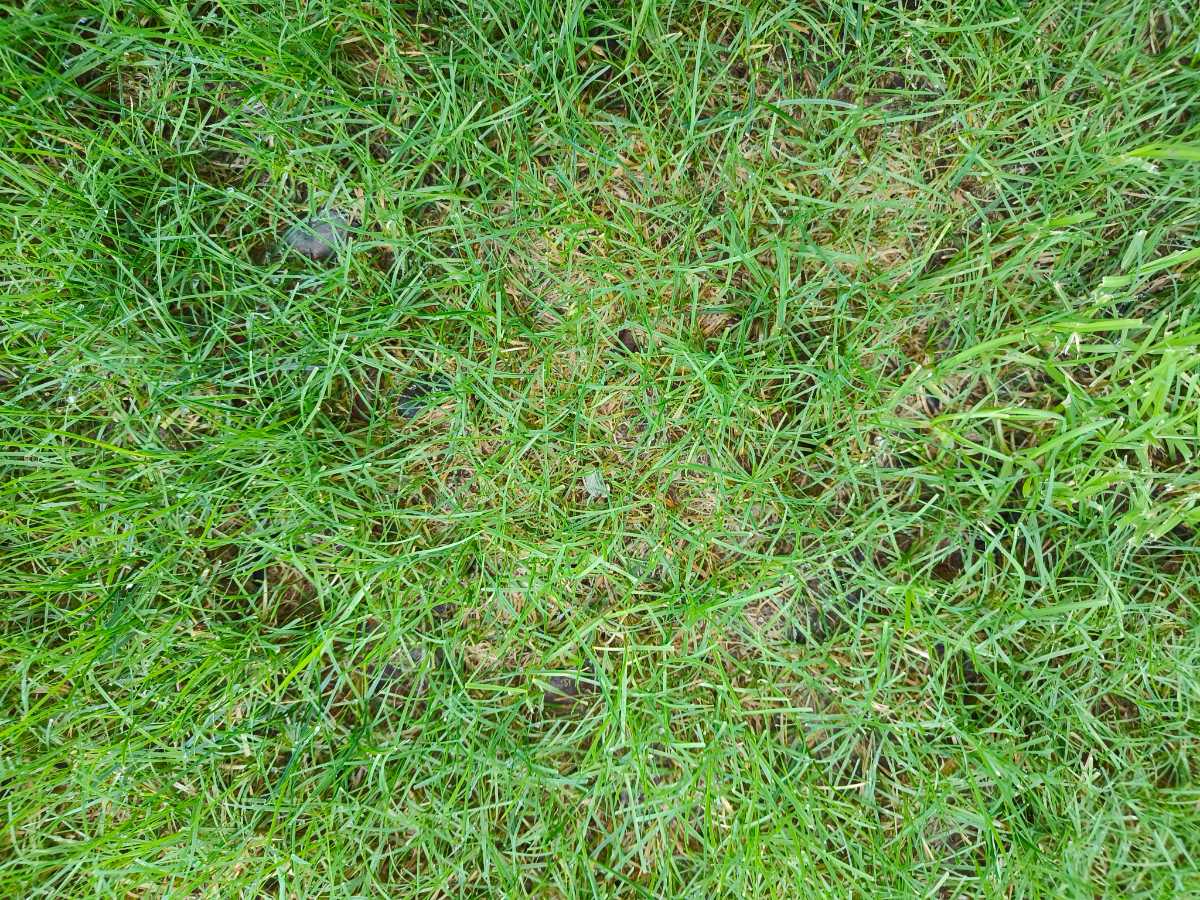
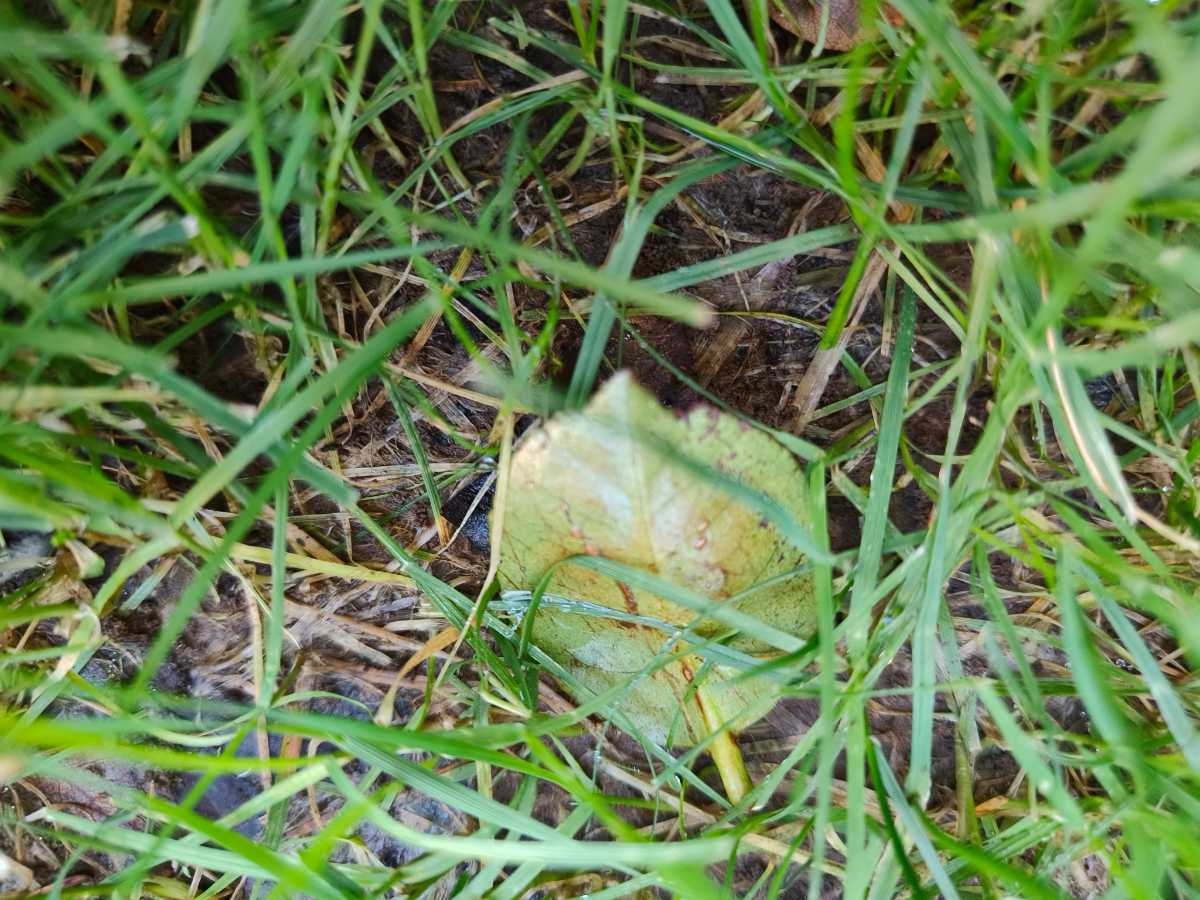
It looks saturated which has resulted in disease, need to improve drainage in those areas where it’s melted out. I can’t offer much more advice than that the post is very hard to understand, talking about different areas etc or is it just me?
@KJ thanks for the advice. You are very likely correct. I've just realized that as there was a pretty big Grevillea tree in that area, it would have soaked up a lot of water. Now it's been removed and this is the bottom contour of the property, all surplus water ends up there. When I installed the lawn in December it was pretty hot and dry, yet this area looked near perfect until the grass grub hit and constant rain. The soil is pretty high clay content.
@Eugene Gillot Is that the area at the base of the tree on the left in the original photos? I’ve found that anywhere you’ve got branches and foliage overhanging the lawn, it tends to create problems. Water seems to collect and drip from the canopy into the same spot, if that makes sense, so those areas often stay damp for longer.I’d start by pruning the branches back so there’s nothing hanging over that section. That alone can make a noticeable difference by improving light, airflow, and allowing the area to dry out more quickly.