
Red thread lawn disease, what causes it and how to recover?
Red thread outbreak.
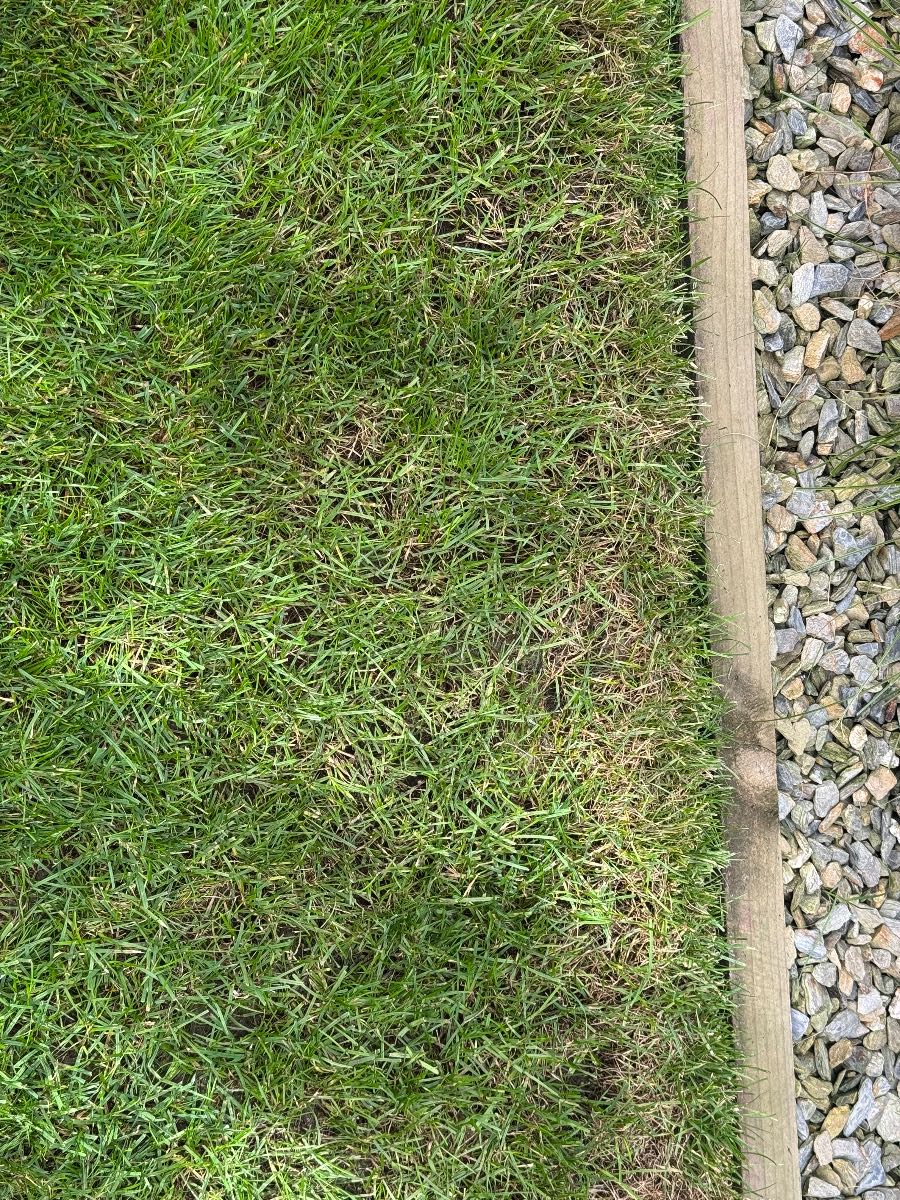
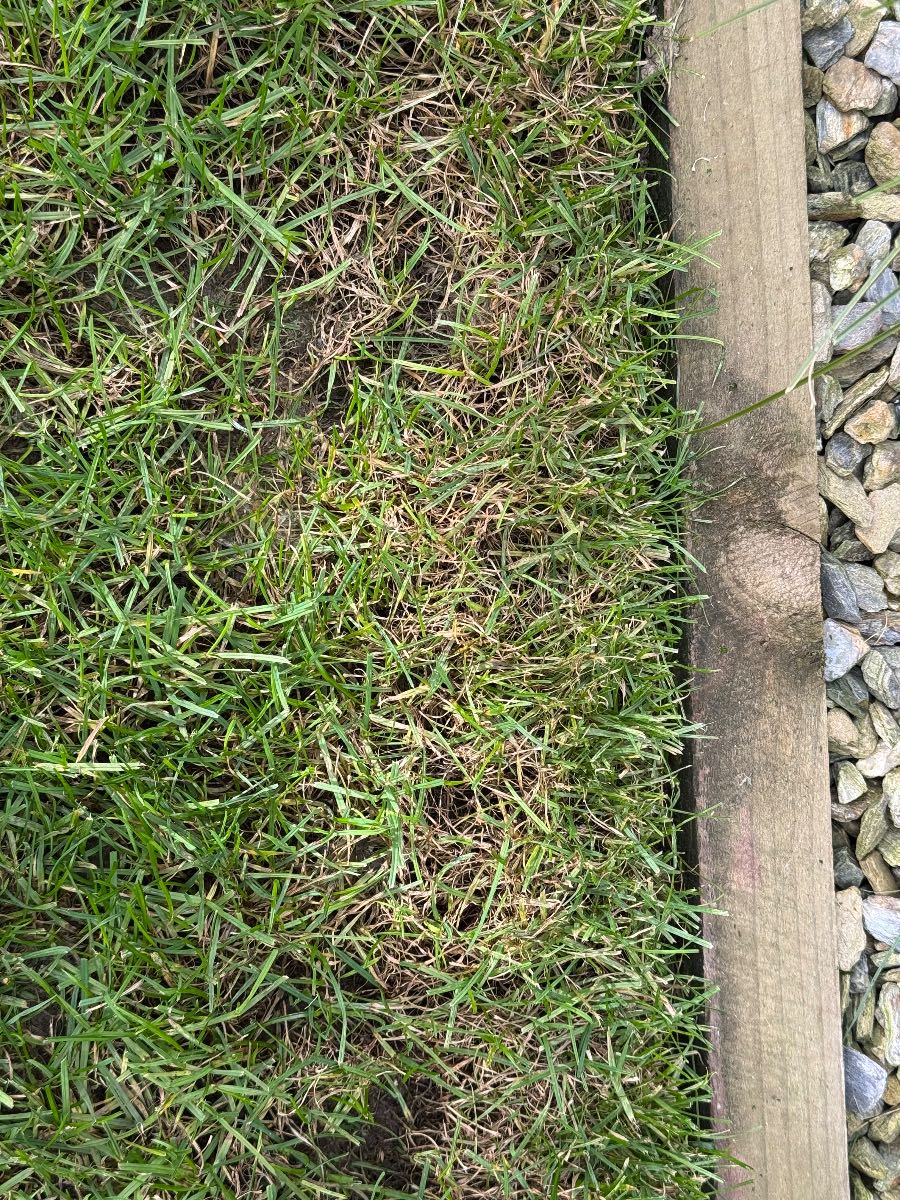
I think this is Red Thread not had it before, lawn is just over a year old and reseeded about 10 weeks ago it was looking amazing. I just did my April Week one application the other day was feeling very positive but then noticed when I mowed today I have a few of these bare patches and getting a lot of mushrooms. I was overwatering but pulled it right back a couple of weeks ago but too late I think. I’ve just ordered some more NZLA Fungus Pro is my calculation correct, I will need to mix 640mls in 16 litres. Lawns in 80m2. Any advice greatly appreciated.
There is a rate calculator in the tools part of this app, select the lawn you are applying the product to and the product and it gives you the rate.
@KJ Thanks so much makes my life easier
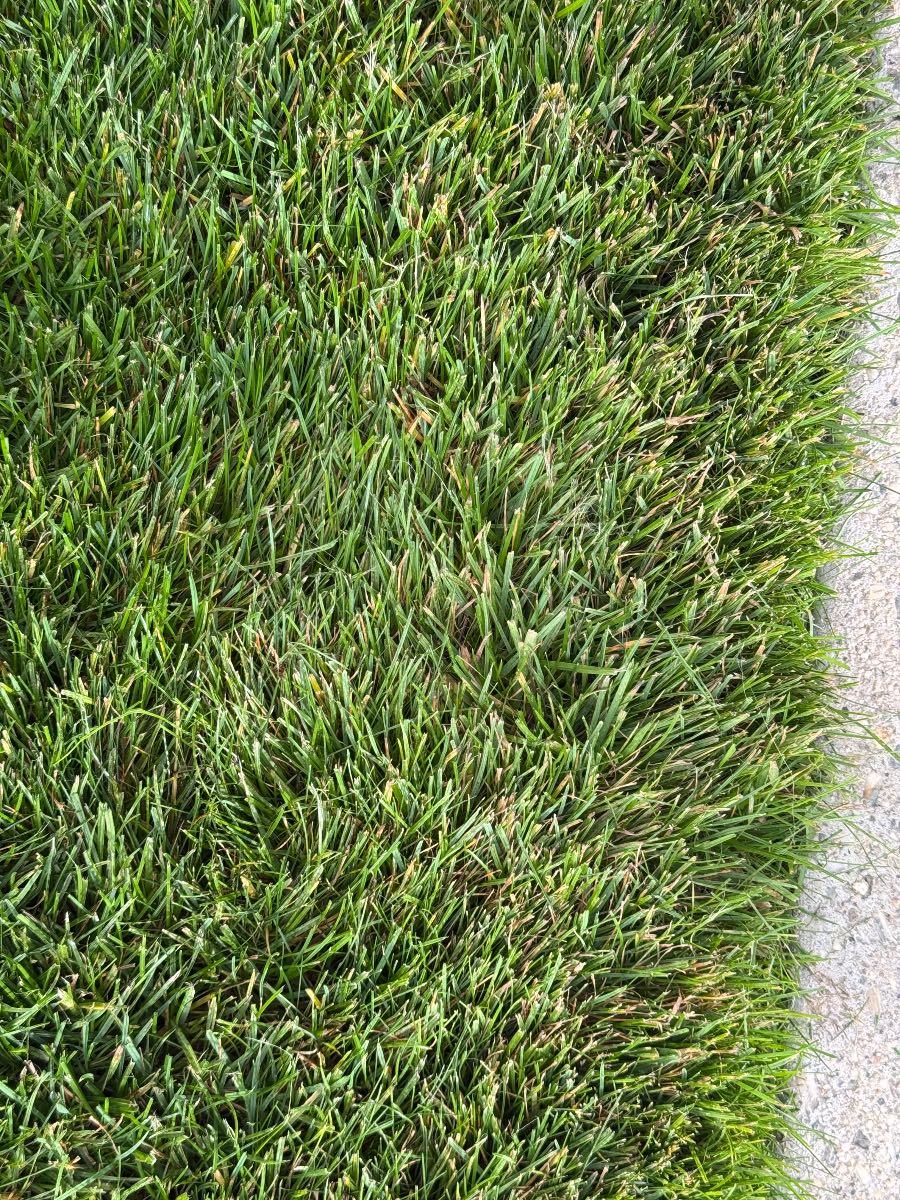
Can you put photo up of the wider lawn? Photo is also too far away to ID what is going on, take a close up. When needing a fungal ID we need a close up of the blade of grass to see if there is any spores on them.
This does look like it could be red thread scarring, although it’s hard to be 100% certain from the photos alone.
Red thread can be triggered by a few different things, but the most common cause is low nitrogen. You’ll often see it where fast-release fertilisers have been used, you get a quick spike in growth followed by a drop-off, which creates a nutrient imbalance and opens the door for red thread.
In your case though, since you applied a slow-release fertiliser a couple of weeks ago, I wouldn’t be blaming that just yet. What stands out more is the location, especially being right up against that edge.
Areas like that tend to behave differently. They can either dry out quicker or, more commonly, hold excess moisture and stay damp for longer. That prolonged dampness stresses the turf, limits nutrient uptake, and in heavier soil can start to suffocate the roots. All of that creates ideal conditions for red thread or disease pressure.
First thing I’d do is focus on the soil. Get some air into it. Even going over it with a garden fork will help open it up and improve drainage. If you’ve got a manual aerator, even better, pull a few cores to relieve that compaction and let it breathe.
Also worth checking, is that area feeling a bit soft or boggy underfoot?
And just to rule it out, you’re not watering at night are you? If so, switch that to early morning so the canopy has a chance to dry out during the day.
@Jonny Hicks hi thanks for the reply no I was watering twice a day as I forgot to reduce it after over seeding but I stopped a couple of weeks ago but I think the damage was done I’ll try the fork idea to aerate it I still need to get an expert in to look at my irrigation system. It seems particularly bad on the back lawn that gets less sun but I am seeing it in other areas. I will apply the Fungus Pro as per the recommendation and keep up with the application guide. Thanks for all the work you put into replying to people I’m still working out how to use the app once you get closer to 70 technology is a bigger challenge
@Tracy Dunn putting my reply here to your new post. I want to try and keep all posts and information about the same issue on the single thread, otherwise it’s more difficult for people to find later on when you make another post about the same issue.
The water rate on Fungus Pro is higher than you might expect from a fungicide, and there’s a good reason for it. The active ingredient is a contact only fungicide, so full coverage is important. You need the spray to reach the whole canopy, not just the leaf tips but down into the crown where some of the disease may be. That’s why there’s a high water rate.
50 mL in 5 L per 25m² is a good starting point. If you’re already seeing disease spread or it’s further advanced, bump it to 200 mL in 5 L per 25m².
No resistance risk with this one, so stepping up the rate when you need to is fine.
It’s possible this isn’t even the result of red thread (red thread scarring). It’s pretty hard to give an accurate ID without seeing some of the grass blades up close that are showing signs of infection. Have a look on the forum at my post about leaf spot, that’s the kind of photos you need to put up to get a decent ID.
There’s a chance it’s leaf spot/melting out. One thing I’m certain of is it’s from overwatering though. 👌