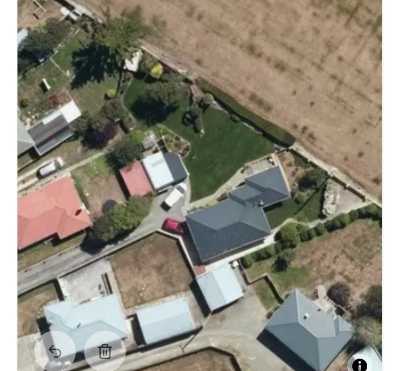
Poa trivialis Identification
Anyone else got signs of poa triv showing up? Just started noticing it this week 😒
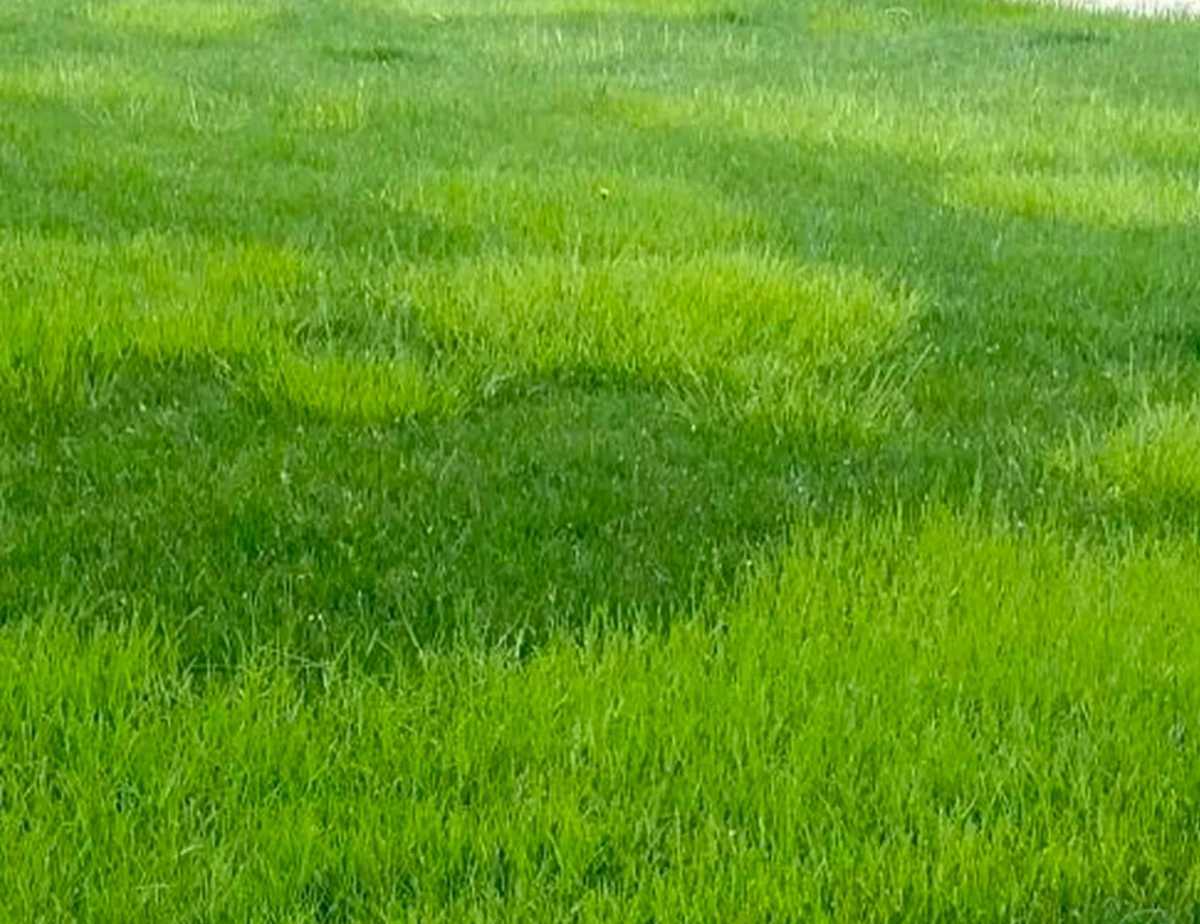
Anyone else got signs of poa triv showing up? Just started noticing it this week 😒
Want to like, comment or start a new discussion? Join us in the app.
Open the NZLA App →Your cart currently has trade-priced items.
How have you identified it over Poa annua?
@Terry O’Neil lighter in colour , grows quicker than rest of lawn
@bradselfe oh ok, but doesn’t Poa do that too? Curious if you can tell them apart.
@Terry O’Neil Poa annua lives for one season, typically dying off in summer heat, whereas Poa trivialis is a perennial that will go dormant through summer and come back again.
Poa annua is generally shorter, grows in clumps, and produces a lot of white seed heads, even at low mowing heights. Poa trivialis tends to be lighter lime-green, shinier, with more of a soft rubbery feel, and grows in spreading patches rather than individual plants.
A lot of people struggle to tell them apart, but one of the easiest ways to identify them is how they grow. Poa annua is a bunch-type grass with no stolons, so when you pull it out it comes up as a small clump with just fibrous roots. Poa trivialis spreads via stolons (runners), so you’ll often see plants connected together and forming larger patches.
Poa annua is also a prolific seeder, producing hundreds of seeds and doing so repeatedly through the season. Even after the plant dies, those seeds can sit dormant in the soil for years and continue to germinate over time. That’s why pre-emergent control is so important in NZ, where germination can occur over a long window rather than a single flush.
It’s also worth noting that Poa annua can survive through summer in cooler, shaded, or heavily irrigated lawns. If you’re seeing it hanging around in the heat, it’s often a sign the lawn is being watered too frequently with light applications, rather than deeper watering 2–3 times per week.
@Jonny Hicks
@Jonny Hicks stolon running off Poa Triv plant.
Was hoping not to glyphosate this year (3rd year doing it) but may have to. Thought I had got on top of it but this past week it's showing up again
@bradselfe Are you applying the glyphosate to the leaves (e.g. painting or spot spraying) so it can translocate through the plant into the stolons and roots? I’ve added some useful information above on identifying Poa annua vs Poa triv 👌
Last couple of years I spayed affected areas and around it at least 3 times over winter, then doing a reno late October ,picture isn't my lawn but it is how it looked last year.