TL
Fungal lawn disease: identifying brown patches in wet conditions
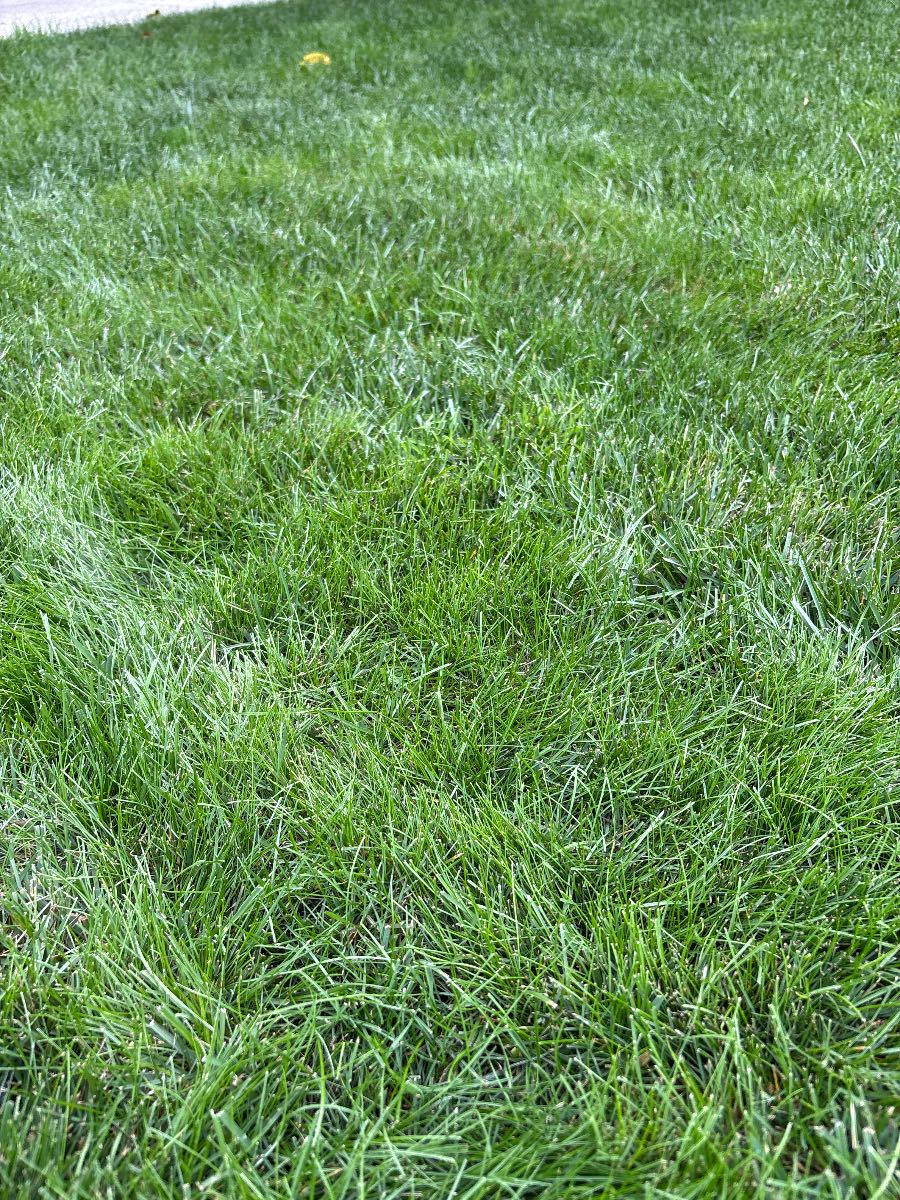
I thought I’d done quite well with preventative fungicides (azoxy and fungus pro) and from a distance my grass looks good BUT we have had non stop rain and warm weather (Auckland) and if you dig down I’d say I’ve got a serious problem as per my pics. What the best step from here???
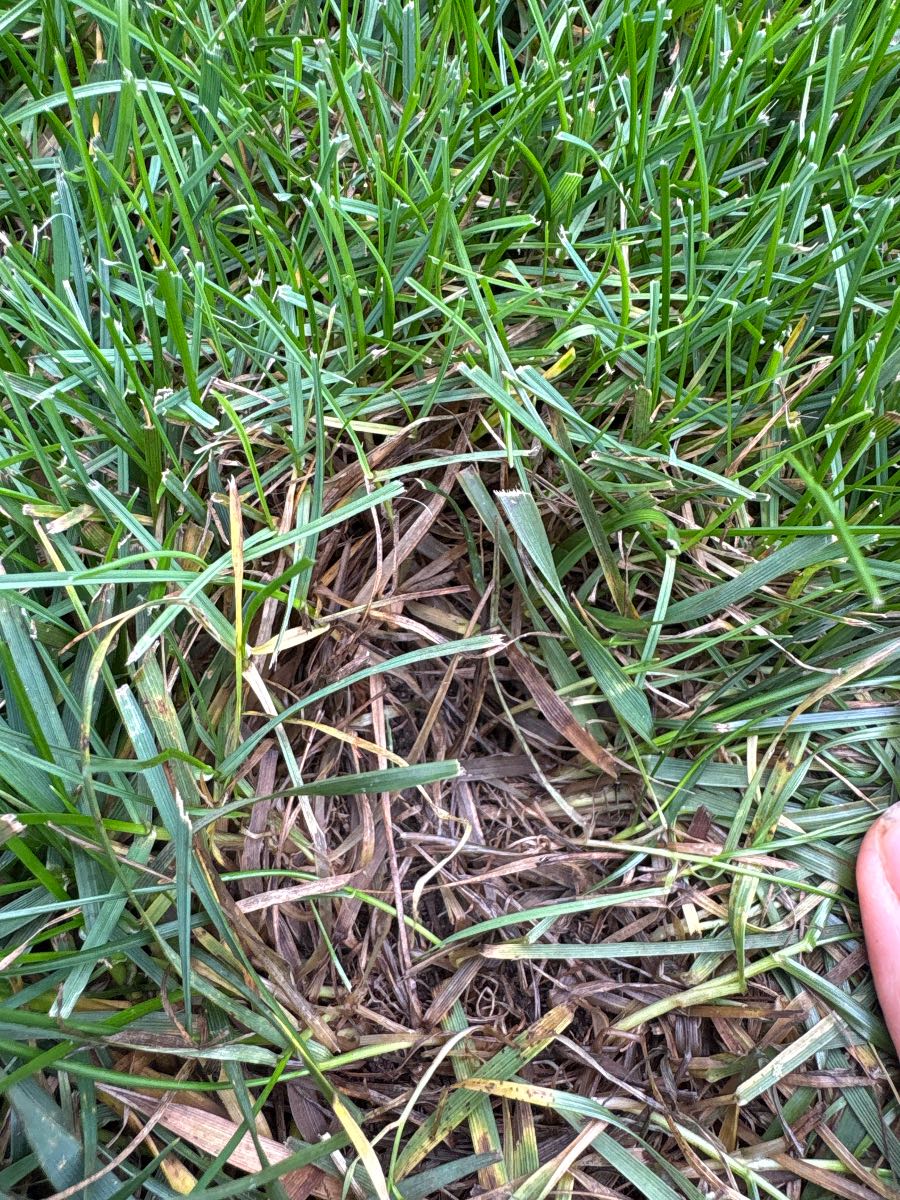
Fungicides only do so much, they won’t bring back heavily infected parts of the plant, it’s about reducing it spreading or getting worse.
@Garry B any suggestions on how to do this?
@Tessa Larsen the lawn in that part of the image isn’t recovering, it’s dead. Your lawn is very long, moisture will be staying in the canopy and not drying out during the day, not helping the situation as it makes it a perfect environment for fungal spores to germinate.
@Garry B thank you
This could be fusarium patch, pretty common on cool season turf as temperatures drop and conditions get wetter and things stay damp longer. It’s most common on ryegrass and fescue. Warm season grasses like couch and kikuyu are far less affected, but they can still get it.
It could also be melting out, but I’m not convinced (could be wrong). You’ll be able to tell in the early morning. Look for a fine white or slightly pink, cobweb-like fuzz on the edge of the patch. You can sometimes see a light pinky/white fuzz sitting over the patch. That disappears once the sun hits it. Put a bucket or container over the patch overnight. Check underneath in the morning, you’ll often trap that white fungal growth. If you don’t see any, it doesn’t completely rule it out, but that matted, rotting centre you’ve got is already pointing pretty heavily toward fusarium.
Like Gary said, the long canopy isn’t helping regardless of the actual fungal ID. Keeping the canopy wet (evening watering, heavy thatch, shaded areas, poor airflow) creates the conditions it needs.
High nitrogen heading into cooler months can also make it worse. Fast release nitrogen in autumn pushes soft growth that’s more susceptible to disease. There’s a whole list of things probably contributing to it, so removing as many as you can will help.
Be very careful about repeatedly using Azoxy. You’ll build resistance, which will be a nightmare. It’s pretty effective against fusarium patch, but you need to improve those conditions because it can only do so much.
Hopefully the Azoxy you already applied has stopped it spreading, this is just damaged from prior to applying fungicide.
@Jonny Hicks thanks Jonny, I’ll put a bucket over a patch now. It’s just been bloody weeks of warm wet weather up here. Should I be mowing lower to improve air flow ???( I may have just got lazy and not lowered the mowing height since summer). And yes it’s a bit of a mix of grasses but mostly fescue. I’ve done Axoxy twice so my next plan was a high rate of Fungus pro but based on what’s been said I’ll wait a bit.
@Tessa Larsen I would yeah, help it dry out during the day.
@Jonny Hicks 👍
@Jonny Hicks last question I promise! Mowed lower this morning (lesson learnt) but is it worth doing a light scarify to remove the dead matter?
@Tessa Larsen I'd leave it for now. You'd just be moving spores around the lawn in wet conditions and the turf doesn't need the extra stress on top of everything else. Sometimes less is more. You could look at a follow up application of Azoxy since I see from your journal it's been two weeks. I'd give Azoxy a break after that though for the resistance risk. I do have a new preventative fungicide coming soon that can be rotated with Azoxy but I'm just working through the headache of getting it to market.
Just remember you've got Fungus Pro, that can be used as much as required, but being the contact fungicide it needs high water rates and you can see from your post why, it needs to cover all of the plant and the high water rates help with getting it down to the crowns and giving good coverage.
@Jonny Hicks I sprayed Fungus pro 8th Feb and Azoxy on 15 March and 10 April so I’m guessing I shouldn’t use Azoxy again and should be using Fungus Pro? Weather next week looks better (less rain) and nights finally cooling down so hope this will help too.
@Tessa Larsen No need for any more Azoxy then. At this point, focus on improving the conditions that allow the disease to develop in the first place.
The Azoxy will already be doing its job, so now it’s more about reducing moisture, improving airflow, and letting the lawn dry out as much as possible.
Weather cooling will definitely help especially once we've had a frost or two those spores struggle in the cold.
@Tessa Larsen I noticed this on my lawn this morning, spot about 50cm apart is this what you started with or have? I have not sprayed anything yet. I’m in South Auckland and moving towards a full ETF lawn
@George A not that I noticed. It’s been hard in Auckland with all
This rain huh!! I had sprayed Azoxy twice prior thank god. My lawn has had a hammering but expect it would have been in more trouble otherwise and very happy to finally have the temp drop and no rain expected this week!