SeaFeed – Seaweed Liquid Fertiliser
SeaFeed is a pure seaweed extract made from wild-harvested seaweed grown in New Zealand. Cold-extracted without chemicals or heat to preserve the natural trace minerals, amino acids, and bioactive compounds that help plants handle stress and grow more efficiently.
This is a biostimulant and trace mineral supplement, not a primary feed. It works best alongside a proper fertiliser programme, improving how well plants take up and use the nutrients already available to them.
Wanting to know more?
See more info about this product!
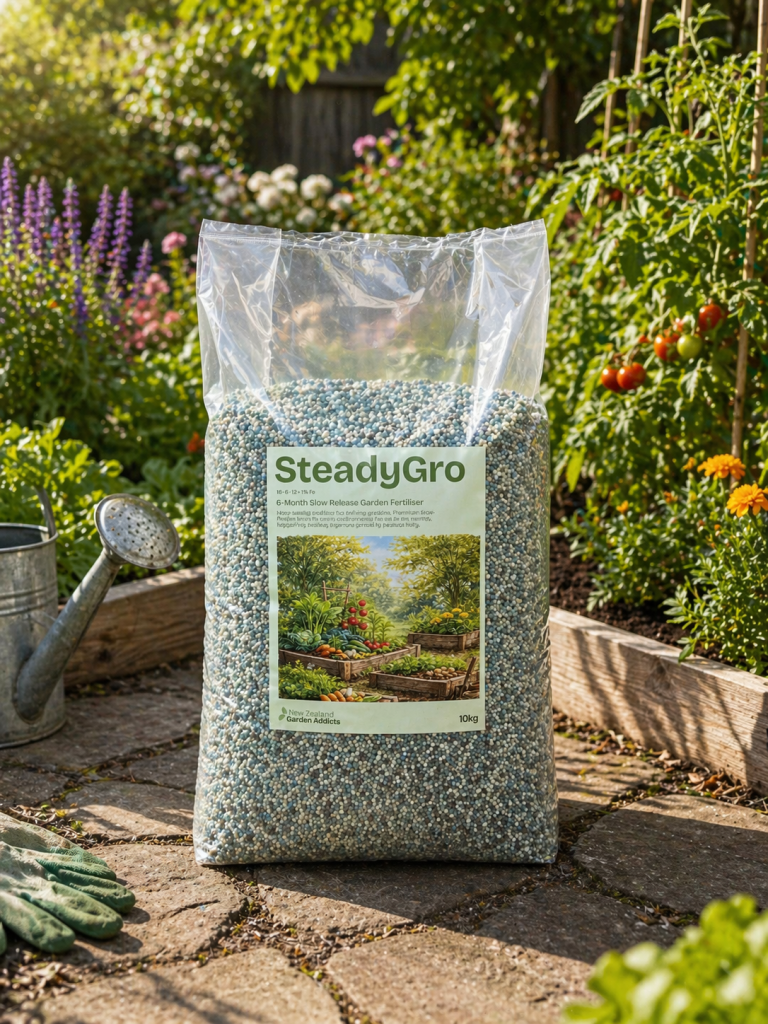
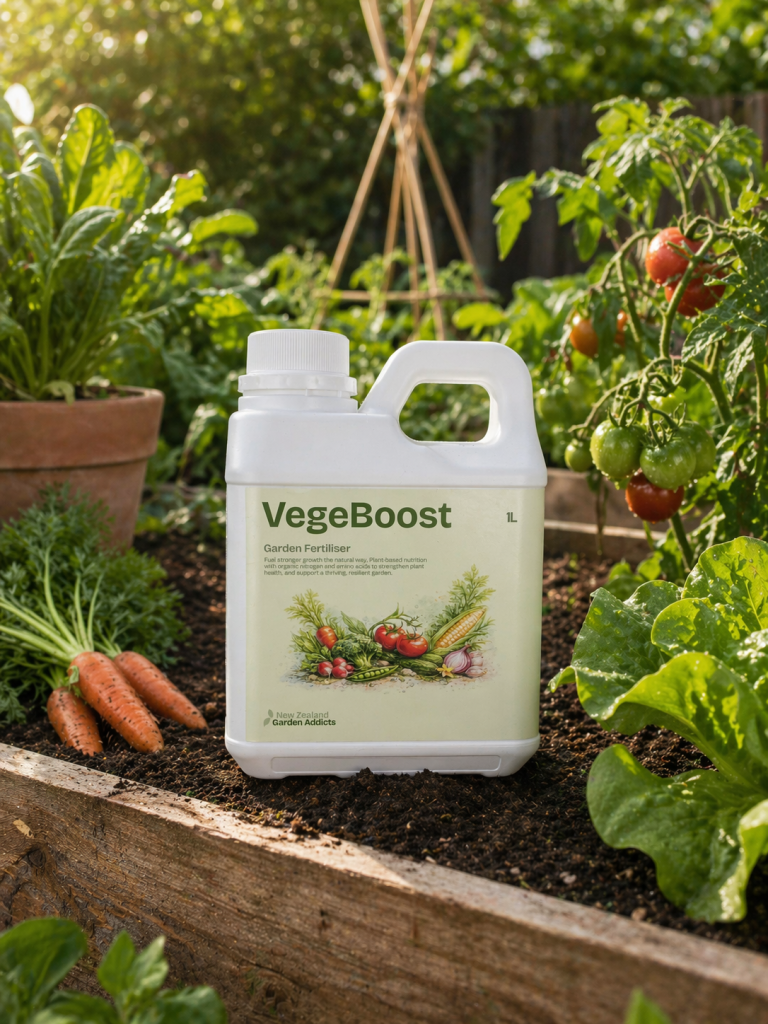
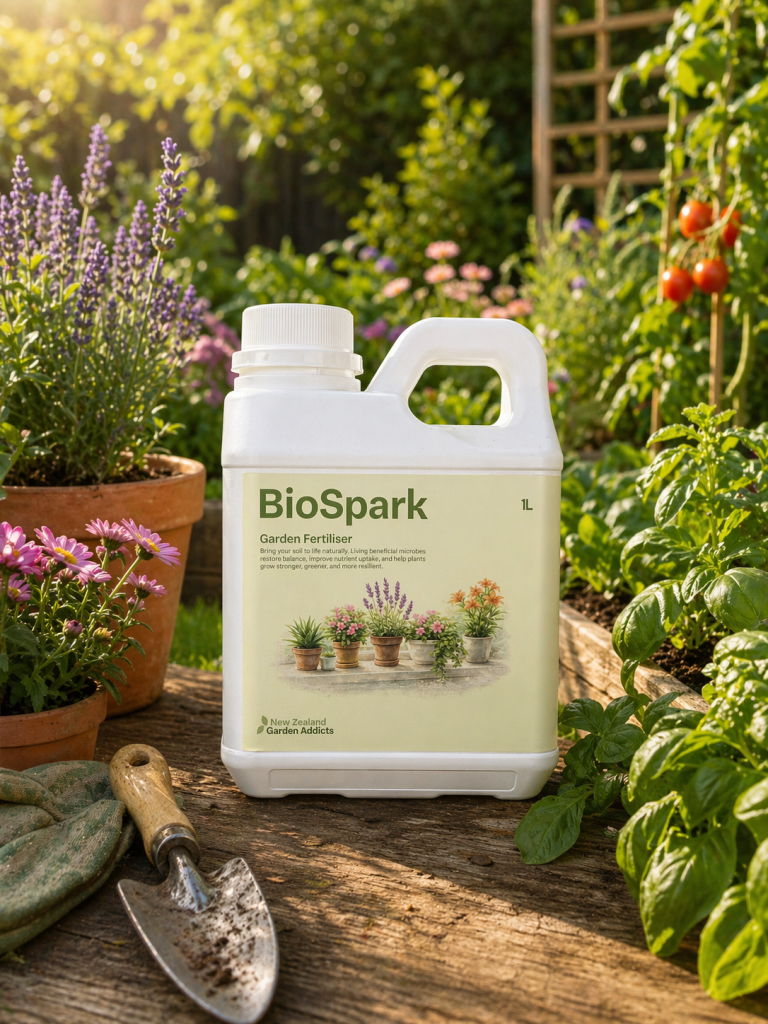
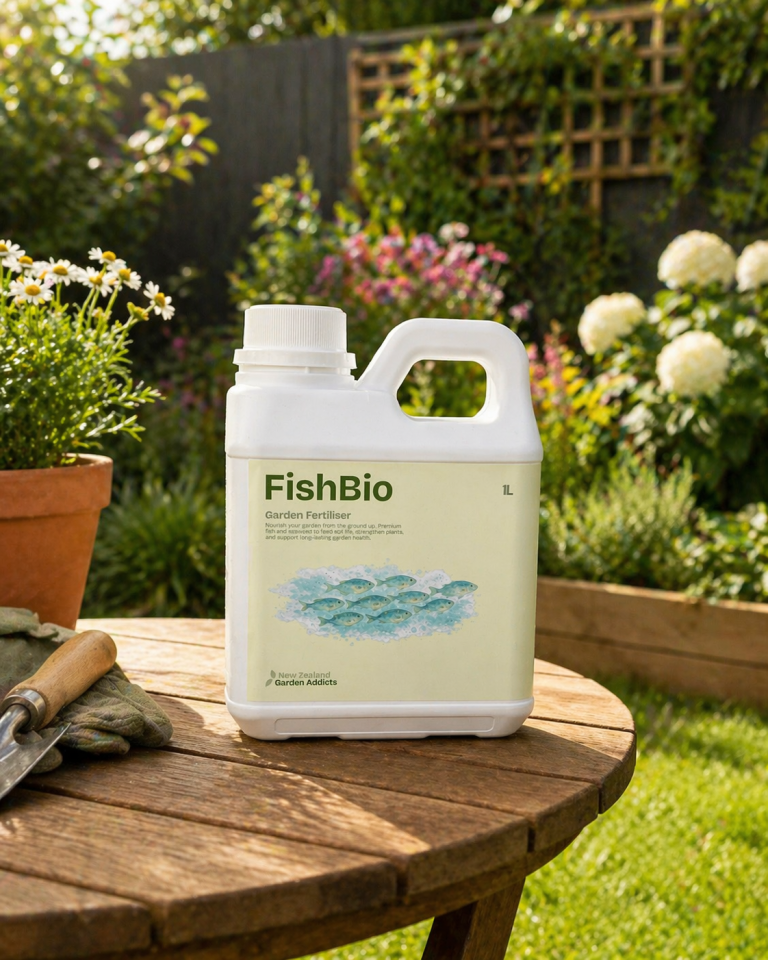
*For best results from the new NZGA range, use SteadyGro as your base fertiliser across the garden, then rotate through the four liquid products weekly, applying them as either a soil drench or foliar spray.
SeaFeed is made from seaweed wild-harvested from New Zealand and cold-extracted without heat or chemicals. That extraction method matters because heat degrades the bioactive compounds, amino acids, and growth-promoting substances that make seaweed extracts genuinely useful. What you’re getting here is as close to the raw material as a liquid product allows.
Seaweed extract isn’t a primary fertiliser and SeaFeed doesn’t pretend to be. What it does carry is a meaningful mineral profile, particularly magnesium at 6,000 mg/L and boron at 21 mg/L, both of which are frequently deficient in NZ gardens and rarely addressed by standard NPK fertilisers. Calcium, sulphur, and iron round out the trace element content.
Beyond the minerals, seaweed is rich in natural compounds including amino acids, alginates, and plant hormones such as cytokinins and auxins. These improve root development, support cell function under stress, and help plants recover from heat, drought, frost, and disease pressure. They also stimulate soil microbial activity, which improves the availability of nutrients already in the ground.
The best way to use SeaFeed is as part of a broader programme. Pair it with a granular or higher-analysis liquid fertiliser for the NPK backbone, and use SeaFeed to top up trace minerals and condition plants through the growing season.
How to use
Garden beds, soil drench
Mix with water and apply to moist soil during active growth. Water in after application. Avoid applying in extreme heat or when the soil is very dry.
Foliar spray
Dilute and apply directly to foliage in the early morning or late afternoon. Particularly useful as a stress response treatment or to address suspected trace mineral deficiencies showing in leaf colour or growth. Avoid applying in hot conditions or when foliage is slow to dry.
Lawns
Apply through a watering can or sprayer and water in well. The magnesium and bioactive content can improve colour and recovery after stress periods such as drought or heavy wear.
Pot plants
Apply to moist potting mix at the rates below. Potted plants are more susceptible to trace mineral depletion, so regular light applications give better results than occasional heavy ones.
Frequency
Every 2 to 4 weeks during active growth. Can be used more frequently during periods of heat, drought, or visible plant stress.
Application rates
Garden beds (soil drench)
Apply 50–80 mL per 10 L of water, covering 10 m²
Foliar spray (all plants)
Mix 50–80 mL per 10 L of water and apply evenly to leaf coverage
Lawns
Apply 200–300 mL per 5 L of water per 100 m²
Pots & containers
Small pots (up to 15 cm): 3–5 mL per 1 L of water
Medium pots (20–25 cm): 5–10 mL per 1–2 L of water
Large pots (30–45 cm): 10–20 mL per 2–4 L of water
No reviews yet. Be the first to leave a review!
Please log in to leave a review
Log In