Damping-off in new lawns: Why your seedlings are dying
You sow the seed, the lawn germinates, and then patches of it collapse and die. The seedlings look fine one day and are gone the next. That’s damping-off.
What you’re seeing
Damping-off kills seedlings at or just below soil level. The stem collapses, the plant topples and dies. You’ll see small patches of dead seedlings with healthy ones surrounding them, and as it spreads those patches grow. In humid conditions, a fine white or grey fungal web may be visible at soil level in the early morning.
Check whether it’s drying out instead. Seedlings that dry out wilt and go crispy, usually in the afternoon. Damping-off collapses the stem at the base before the leaf dies. If the stem is pinched or rotted at soil level, that’s damping-off.
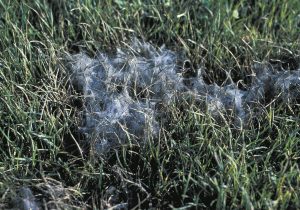
What’s causing it
Overwatering is the main one. Keep the surface moist is the right advice, but many people overdo it. Multiple waterings a day in already-damp conditions keeps the soil saturated and the canopy wet for too long. That’s what these pathogens need.
Pythium is the most common cause in warm conditions. Rhizoctonia and Fusarium can do the same in cooler or wetter conditions. All of them exploit seedlings that stay wet too long.
Hot temperatures make it worse. Spring and early summer sowings in the upper North Island carry the highest risk. A seeding done in October in Auckland with heavy irrigation during a warm humid week is a recipe for it.
Dense seeding rates compound the problem. Thick populations stay wetter between waterings and mature more slowly. Sow at the recommended rate, not more.
Fixing it
Back off irrigation immediately. Let the surface partly dry between waterings. In cool overcast conditions, once a day or less is enough. Watch the soil, not the schedule.
Improve airflow if the seedbed is sheltered. Still humid air creates the same problem as evening irrigation.
If damping-off is already spreading, NZLA Azoxy is on label for seedling damping-off. Apply at label rate, reduce watering, and give the seedbed a chance to dry. Act quickly and the healthy seedlings around affected patches can be saved.
Reseed dead patches once conditions stabilise. Don’t reseed into active disease or saturated soil.
Timing the sowing
Autumn is the lower-risk window. Soil temperatures are dropping, humidity is lower, and seedlings don’t face the same disease pressure as spring. Ryegrass and tall fescue both germinate well in autumn.
Spring sowings carry more risk if conditions turn warm and humid quickly. If you keep losing spring sowings in the same spot, shift to autumn
Preventing it next time
Sow at the recommended rate. Dense sowings are more vulnerable.
Water gently and consistently. Moist, not saturated.
Use NZLA Starter at sowing for the phosphorus and balanced nutrition that supports root development
Avoid sowing before a forecast warm wet spell.
Damping-off is directly related to pythium blight on established lawns, the same pathogen in different conditions. Read our guide on pythium blight.
Comments
0