Lawn Rust in New Zealand: What it is and how to get rid of it
Rust is easy to identify once you know what to look for. Orange or yellow pustules appear along the length of individual grass blades, and the whole affected area takes on a washed-out yellow-orange cast. The diagnostic test is simple: walk through the affected grass. If orange dust rubs off onto your shoes, socks or trouser legs, it’s rust. That dust is spores shaking loose from the pustules, and no other common lawn disease does it.
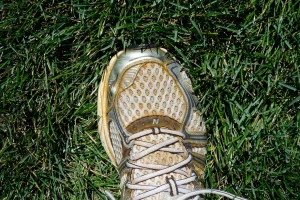 It’s worth saying upfront: rust is mostly cosmetic. The fungus stays on the leaf surface and rarely kills the plant or causes the kind of patch damage you see with Fusarium or brown patch. What it does do is make the lawn look rough for a few weeks, and it signals clearly that the lawn is underfed and growing too slowly.
What’s causing it
Rust is a disease of slow-growing turf. The fungus takes hold when growth has slowed because the lawn isn’t getting enough nitrogen, the soil is dry, compacted or shaded, or all three at once. A lawn growing steadily can outpace the infection cycle. A lawn ticking along slowly can’t.
The seasonal pattern follows that logic. Late summer and autumn are when rust is most active in New Zealand, because that’s when nitrogen from earlier in the season has been depleted, temperatures are still warm enough for the fungus to sporulate, and nights are getting longer with heavier dew. Dew periods over 10 hours overnight favour rust establishment, which is why it tends to build through March and April as the season shifts.
Shade compounds it. Shaded areas of the lawn dry more slowly, grow more slowly, and are consistently the first spots rust appears on. If the same corner of the lawn gets rust every year, look up before you reach for anything.
Getting rid of it
The primary fix is feeding the lawn. Get growth moving again and the new leaves come through clean. The infected leaves get mowed off and within two to three weeks the lawn looks substantially better.
NZLA All Seasons granular through the growing season gives the lawn the sustained nitrogen it needs to stay ahead of rust pressure. If the disease is appearing mid-season between granular applications, NZLA Liquid Boost foliar every two weeks delivers the nitrogen top-up to push growth back to pace.
Mow regularly and catch the clippings. Every mow removes infected leaf material and the spores with it. Catching the clippings and disposing of them reduces the spore load re-infecting the lawn at the next opportunity. Leave the clippings on and you’re spreading the problem around.
Stop evening watering if that’s a habit. Prolonged overnight dew is already working against you; adding irrigation on top makes the wet window longer.
Rust in winter
Winter rust needs a different approach. Granular nitrogen in cool soils doesn’t do much because the soil biology is too slow to release it effectively, and pushing high nitrogen in cold damp conditions invites Fusarium, which causes far worse damage than rust ever will.
Through winter, stick to NZLA Charger and Iron+ as fortnightly foliars. They keep the lawn fed without the nitrogen load that creates problems. Accept that the lawn may carry some rust through the cold months. Once spring fires up growth in October and November, the lawn clears it quickly on its own.
Chemistry
NZLA Fungus Pro is on label for rust. Apply at 200 mL per 100m2 in 20 litres of water as a preventative on a four-week rotation, or 800 mL per 100m2 for a curative application on active heavy rust.
One important note: While Azoxy is used for rust control in some overseas markets, rust is not listed on the NZ label for NZLA Azoxy, making its use for rust off-label in New Zealand. For rust control, Fungus Pro is the appropriate labelled option.
For most home lawns, the cultural fix alone handles rust without needing chemistry. Fungus Pro is worth reaching for on showcase lawns where appearance matters, on rust that’s persisting despite feeding, or where spore pressure is building from a heavy outbreak.
If it keeps coming back
Rust appearing in the same spots year after year is a chronic fertility problem, not a fungicide problem. The lawn is consistently underfed through the period when rust pressure peaks. Get the full-season programme running properly, don’t skip the late summer or autumn feed, and address any shade or compaction that’s keeping those areas growing slowly. After a season or two of consistent management, rust typically stops being a recurring issue.
Comments
0